Environmental Assessment
Environmental Support for Egyptian Iron and Steel Land Transformation
Environmental investigations and studies to support transformation of 2,000 acres from industrial to residential use.
Background
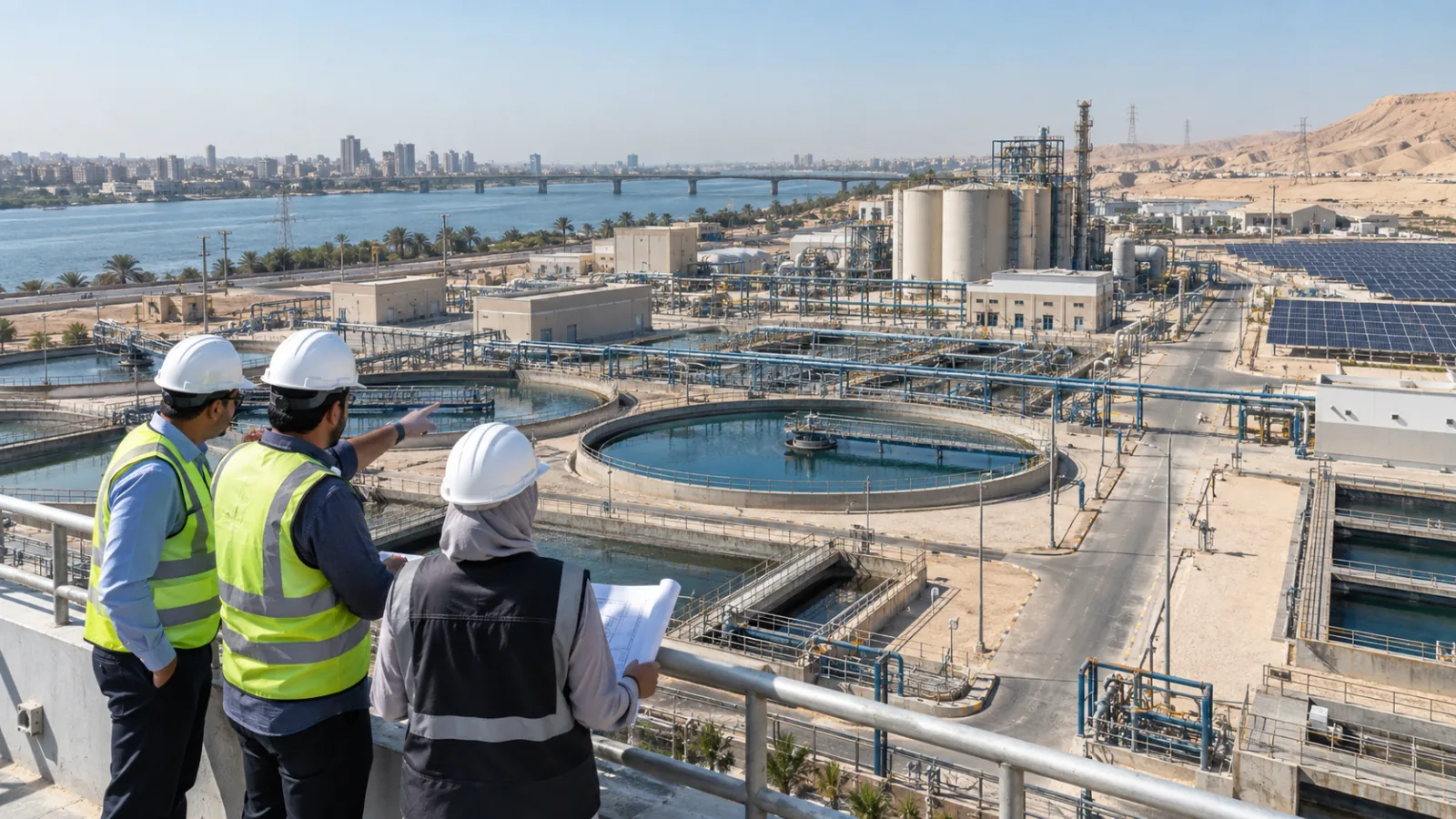
Converting roughly 2,000 acres of the Egyptian Iron and Steel site from heavy industrial use to residential development is one of the more demanding categories of environmental work. Decades of iron and steel production leave contamination signatures in soil and made ground, and a residential end use applies far stricter exposure criteria than the industrial use that preceded it.
Objective
Provide required environmental investigations and EEAA approval studies for the land transformation project.
Outcome
The studies provided the technical basis for a land-use change of national significance, establishing what the site's condition actually is before redevelopment commitments were fixed. On brownfield conversions of this scale, the cost of discovering contamination after design is settled is far higher than the cost of characterising it first.
Standards and frameworks applied
- Egyptian Environmental Law 4/1994 and its executive regulations
- EEAA environmental impact assessment guidelines
- International good practice for brownfield redevelopment
Related services
Have a similar project?
Talk to EnviGlobe about the practical next step.